+ - 0:00:00
Notes for current slide
Notes for next slide

Data Visualization

Chapter 1. Fundamentals of Graphical Practice

Iñaki Úcar

Department of Statistics | uc3m-Santander Big Data Institute

Master in Computational Social Science

Licensed under Creative Commons Attribution CC BY 4.0 Last generated: 2023-09-27

1 / 25
2 / 25

Graphical Integrity

How to Lie with Graphs

3 / 25

Bad Charts

  • We live surrounded by bad charts

    • For many people, statistical charts = lie
4 / 25

Bad Charts

  • We live surrounded by bad charts

    • For many people, statistical charts = lie
  • Deception vs. ineptitude
    • Lack of quantitative skills, anumerism
    • Lack of knowledge about visual perception
    • Lack of visual skills
    • Intention to deceive
4 / 25

Sources of Bad Charts

  • For Tufte:

    • Distortion
    • Data variation
    • Visual area and numerical measure
    • Context
5 / 25

Sources of Bad Charts

  • For Tufte:

    • Distortion
    • Data variation
    • Visual area and numerical measure
    • Context
  • But there are many more common patterns:

    • Bad representation (deception, sometimes)
    • Bad data
    • Too many data (optimism)
    • Too little data (optimism)
    • Hiding relevant data (deception)
    • Wrong representation (deception)
    • Creativity (without skill)
5 / 25

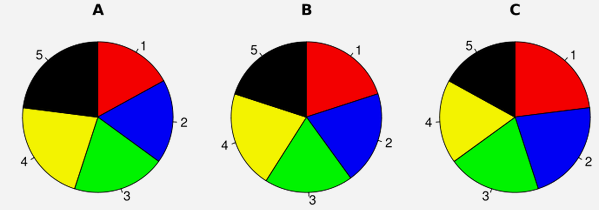
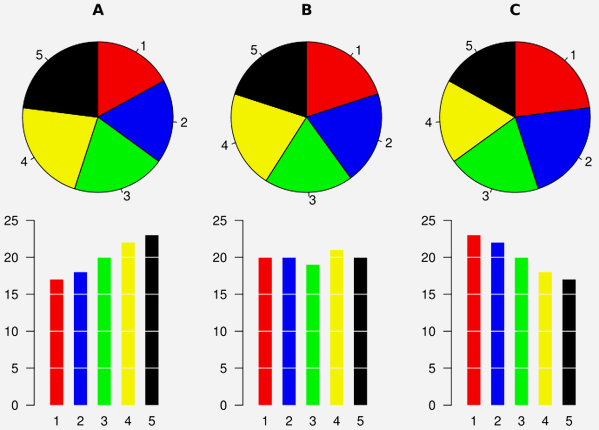
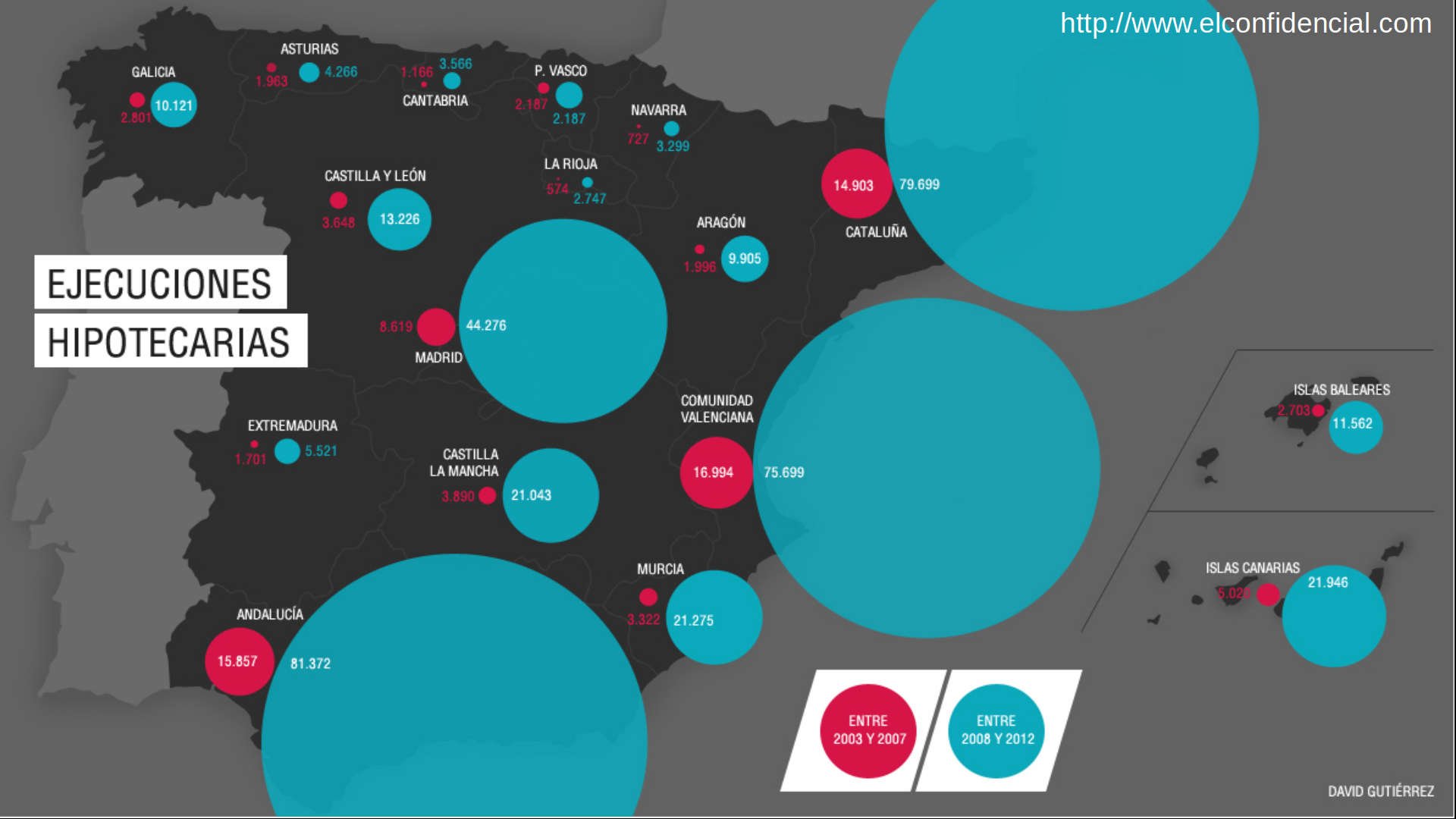
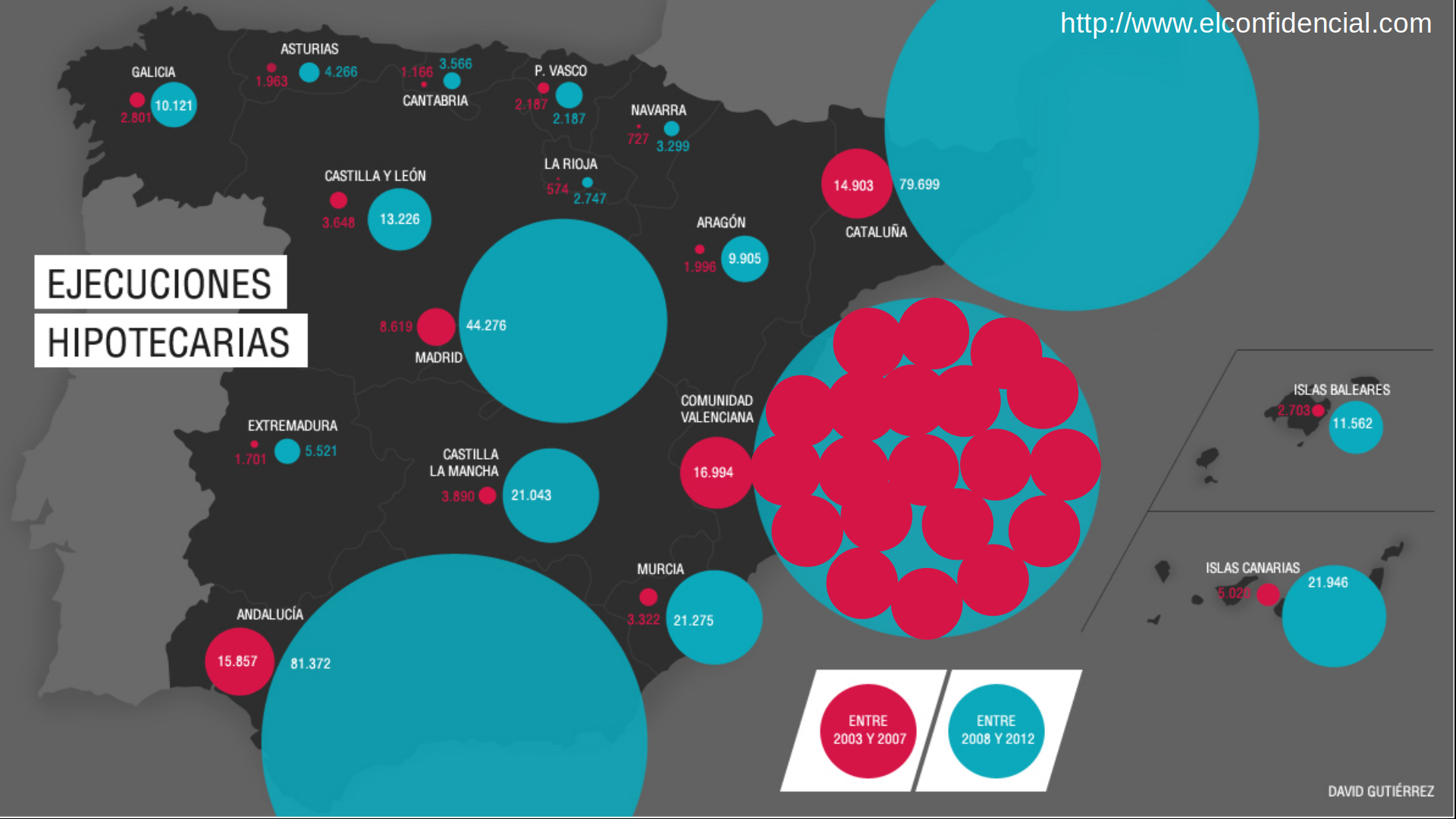
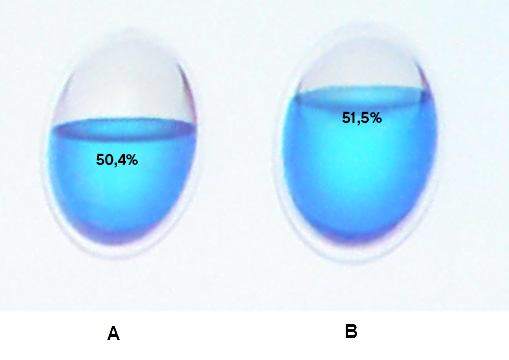
Bad Representation: Areas

7 / 25

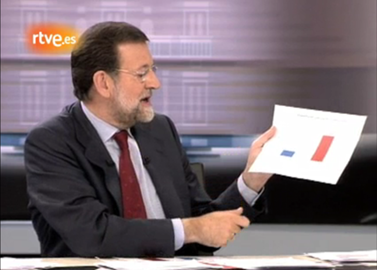
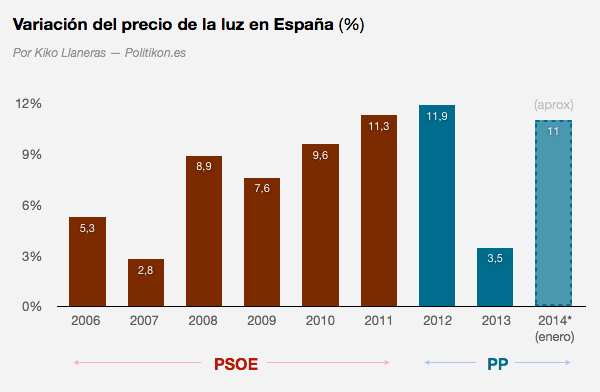
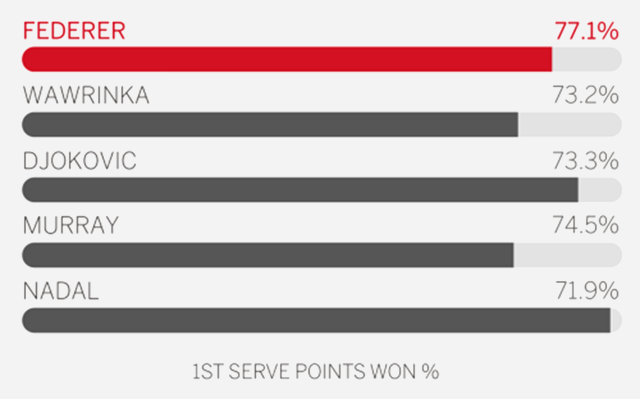
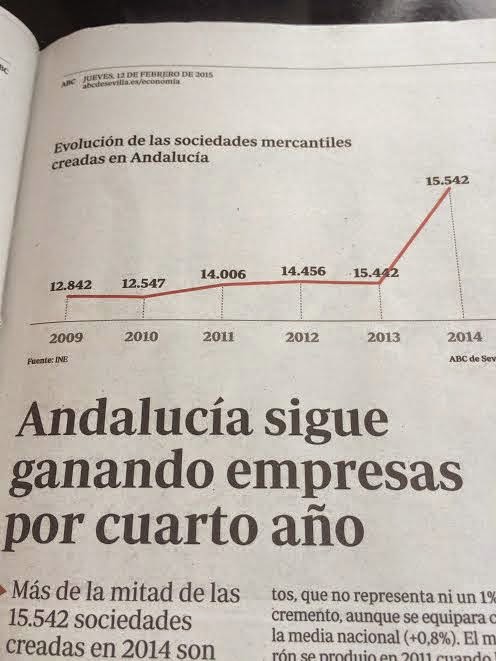
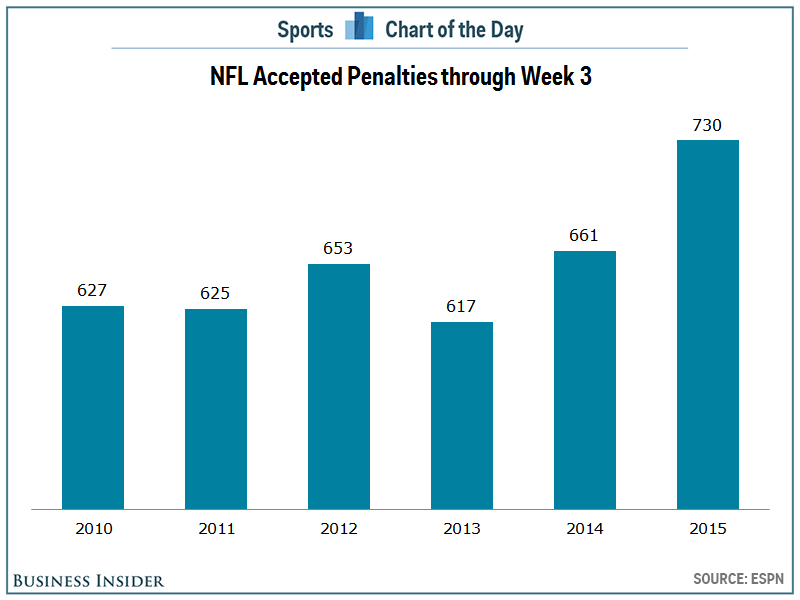
Bad Representation: Longitudes

  • Cutting the origin is the most common deception technique with bar plots
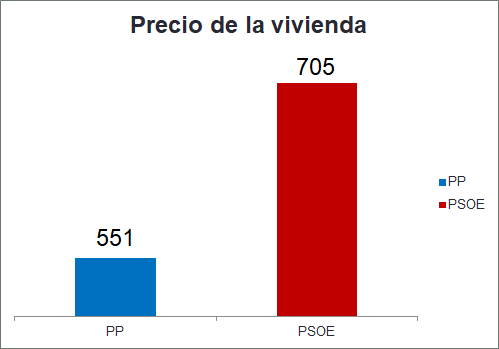
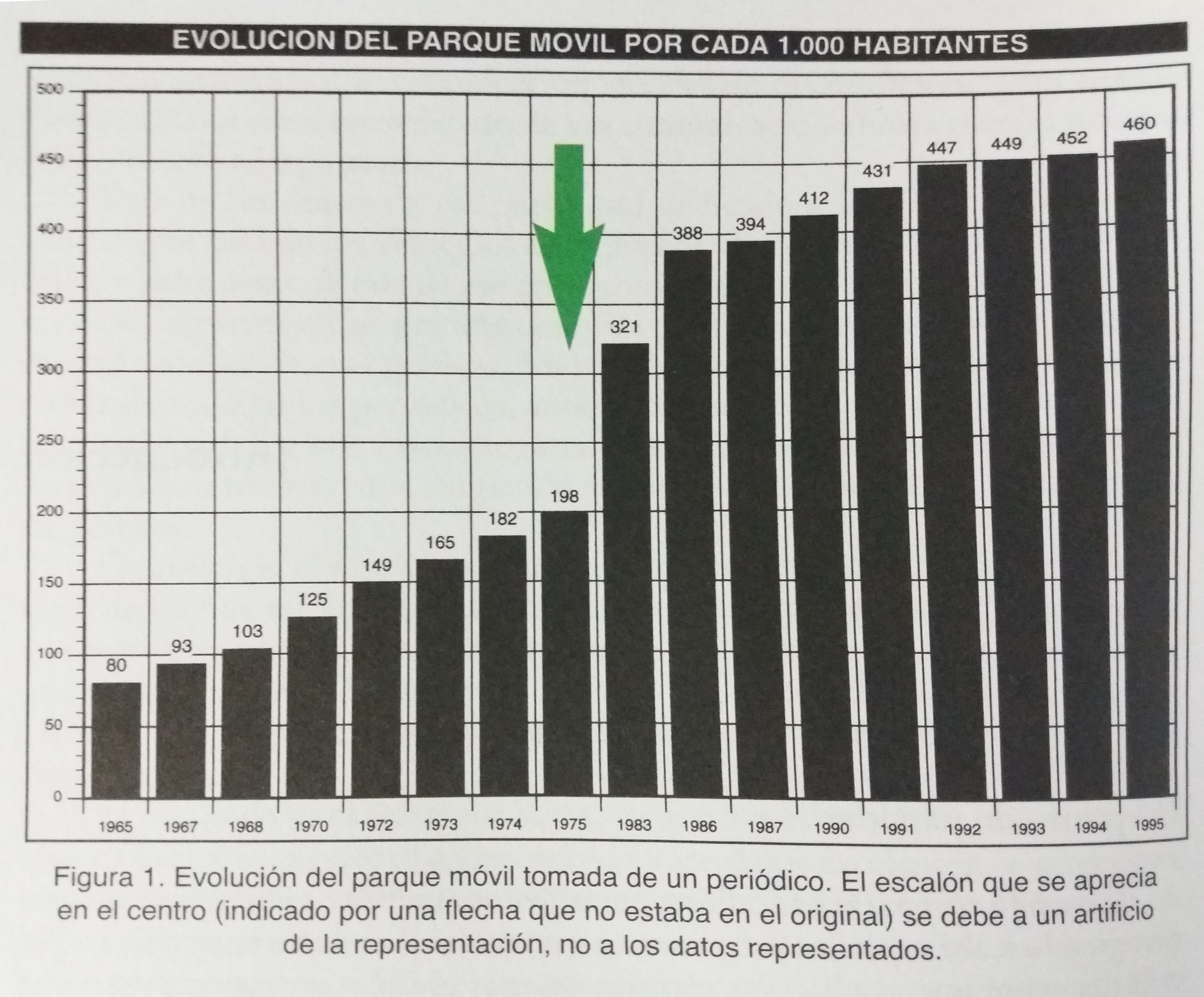
  • Some well-intentioned axis cuts may have nefarious consequences
8 / 25

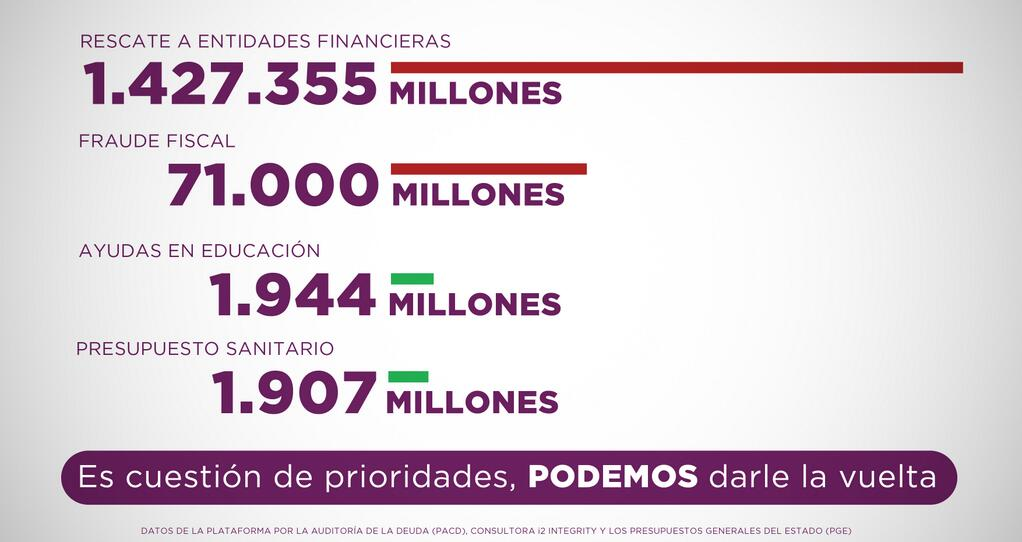
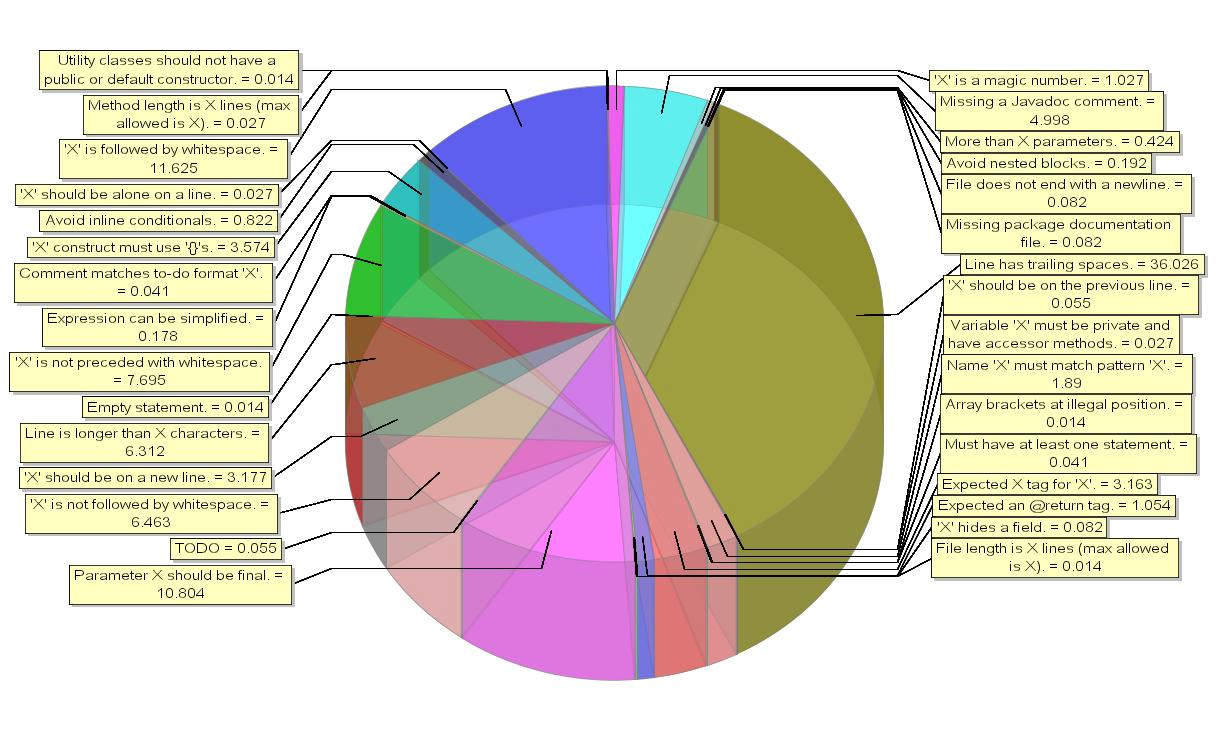
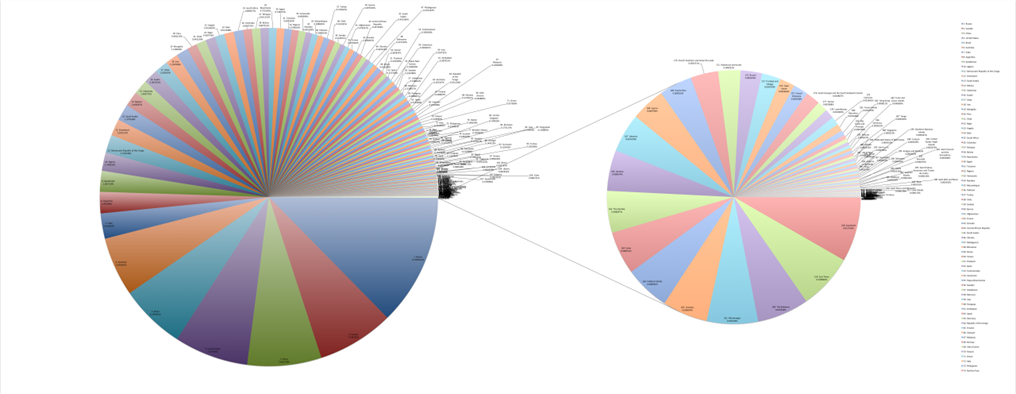
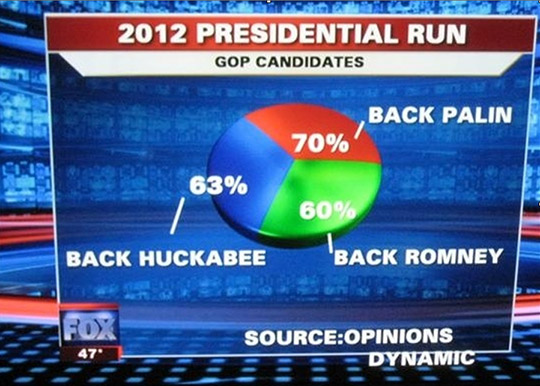
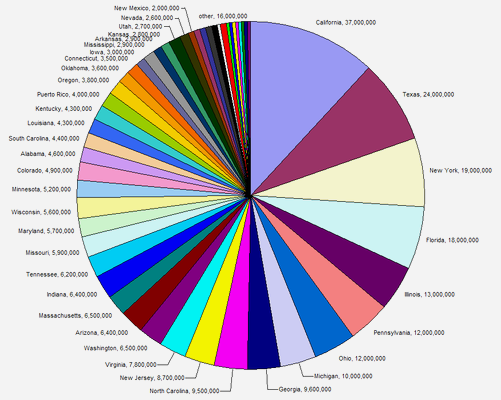
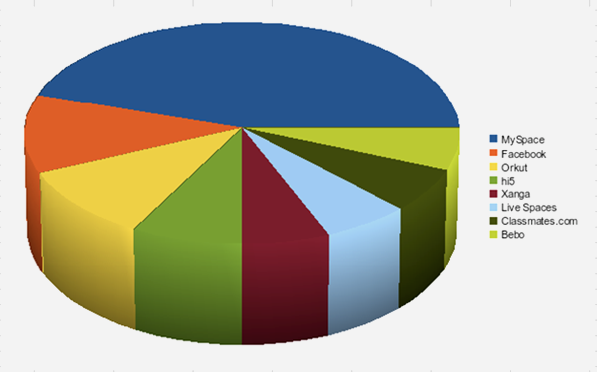
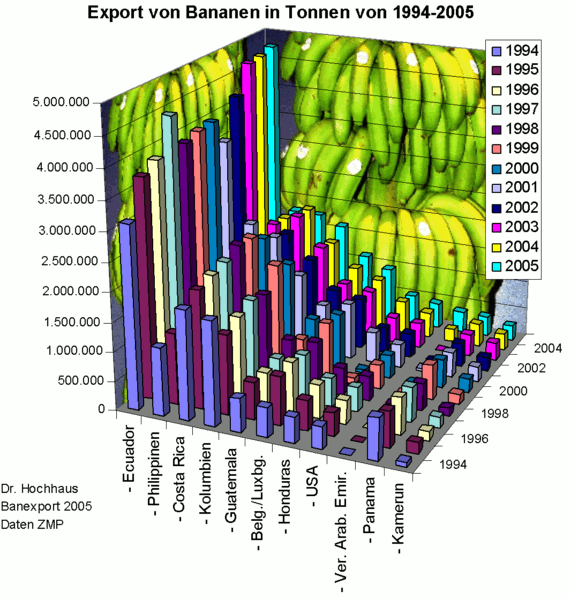
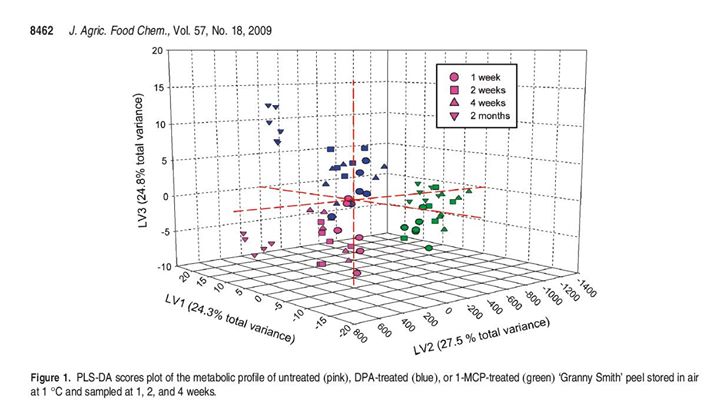
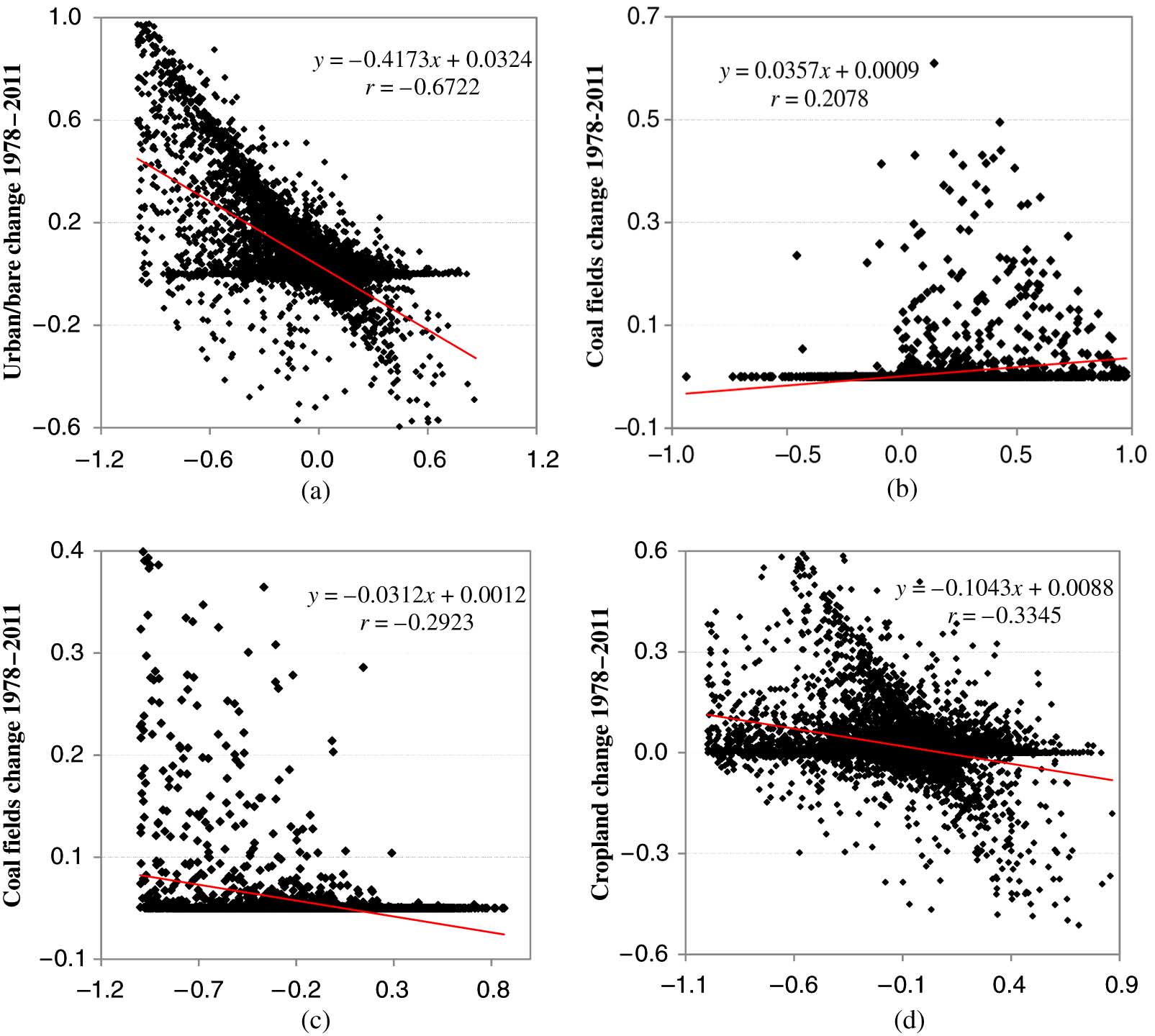
Too Many Data

10 / 25

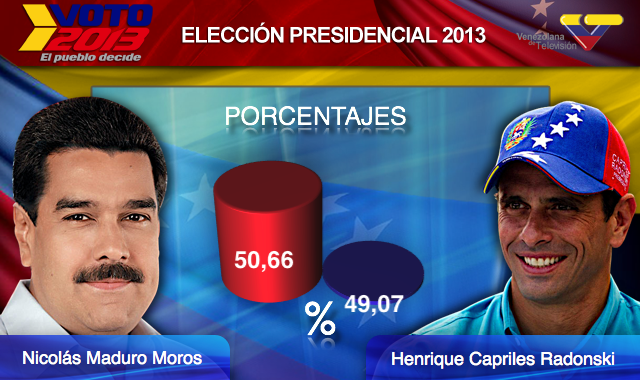
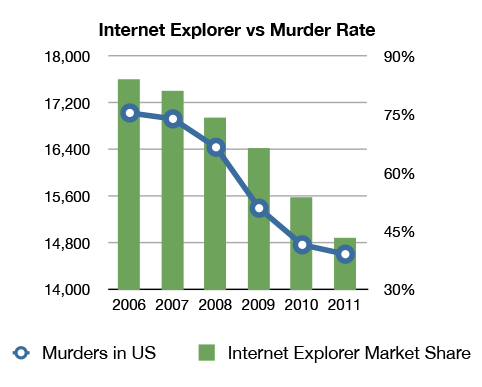
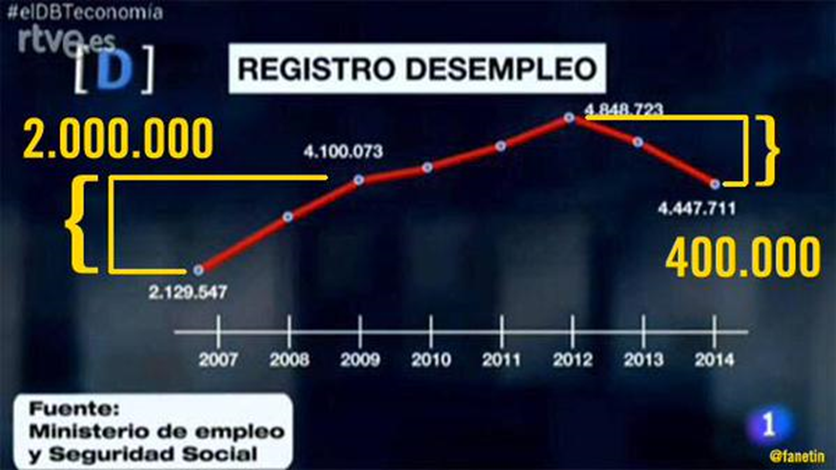
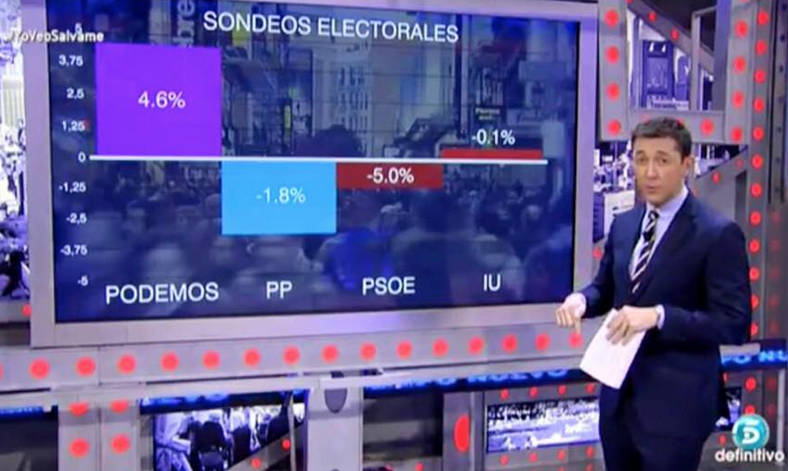
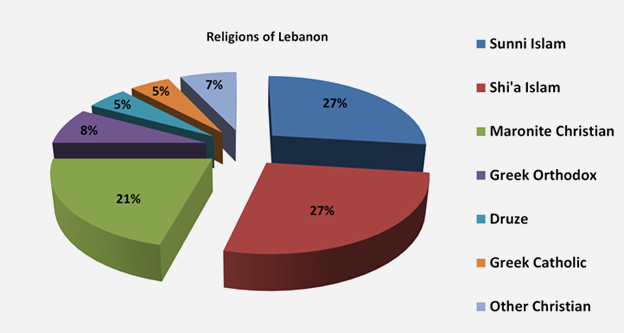
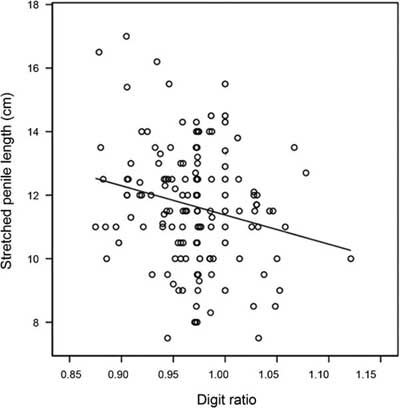
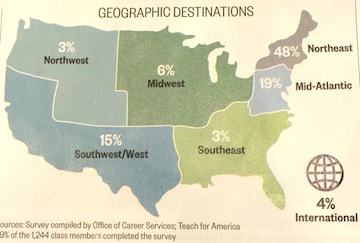
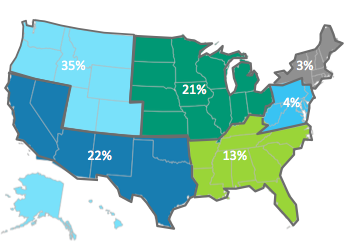
Wrong Representation

13 / 25

12 Rules to Display Data Badly

Wainer, H. (1984) How to Display Data Badly. The American Statistician 38(2), pp. 137-147.

16 / 25

12 Rules to Display Data Badly

Wainer, H. (1984) How to Display Data Badly. The American Statistician 38(2), pp. 137-147.

Showing data

  • Rule 1. Show as few data as possible (minimize the data density)
  • Rule 2. Hide what data you do show (minimize the data-ink ratio)
16 / 25

12 Rules to Display Data Badly

Wainer, H. (1984) How to Display Data Badly. The American Statistician 38(2), pp. 137-147.

Showing data

  • Rule 1. Show as few data as possible (minimize the data density)
  • Rule 2. Hide what data you do show (minimize the data-ink ratio)

Showing data accurately

  • Rule 3. Ignore the visual metaphor altogether
  • Rule 4. Only order matters
  • Rule 5. Graph data out of context
16 / 25

12 Rules to Display Data Badly

Wainer, H. (1984) How to Display Data Badly. The American Statistician 38(2), pp. 137-147.

Showing data

  • Rule 1. Show as few data as possible (minimize the data density)
  • Rule 2. Hide what data you do show (minimize the data-ink ratio)

Showing data accurately

  • Rule 3. Ignore the visual metaphor altogether
  • Rule 4. Only order matters
  • Rule 5. Graph data out of context

Showing data clearly

  • Rule 6. Change scales in mid-axis
  • Rule 7. Emphasize the trivial (ignore the important)
  • Rule 8. Jiggle the baseline
  • Rule 9. Austria first!
  • Rule 10. Label illegibly, incompletely, incorrectly, and ambiguously
  • Rule 11. More is murkier: more decimal places and more dimensions
  • Rule 12. If it has been done well in the past, think of another way to do it
16 / 25

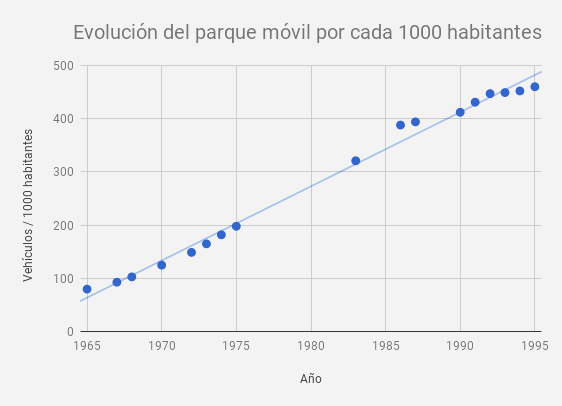
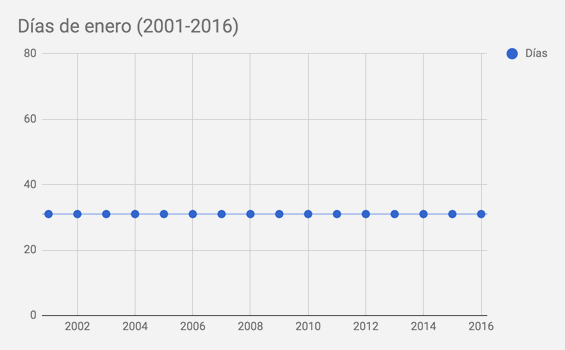
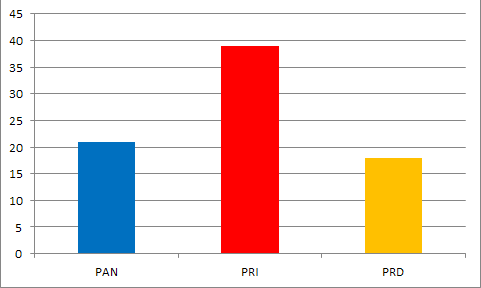
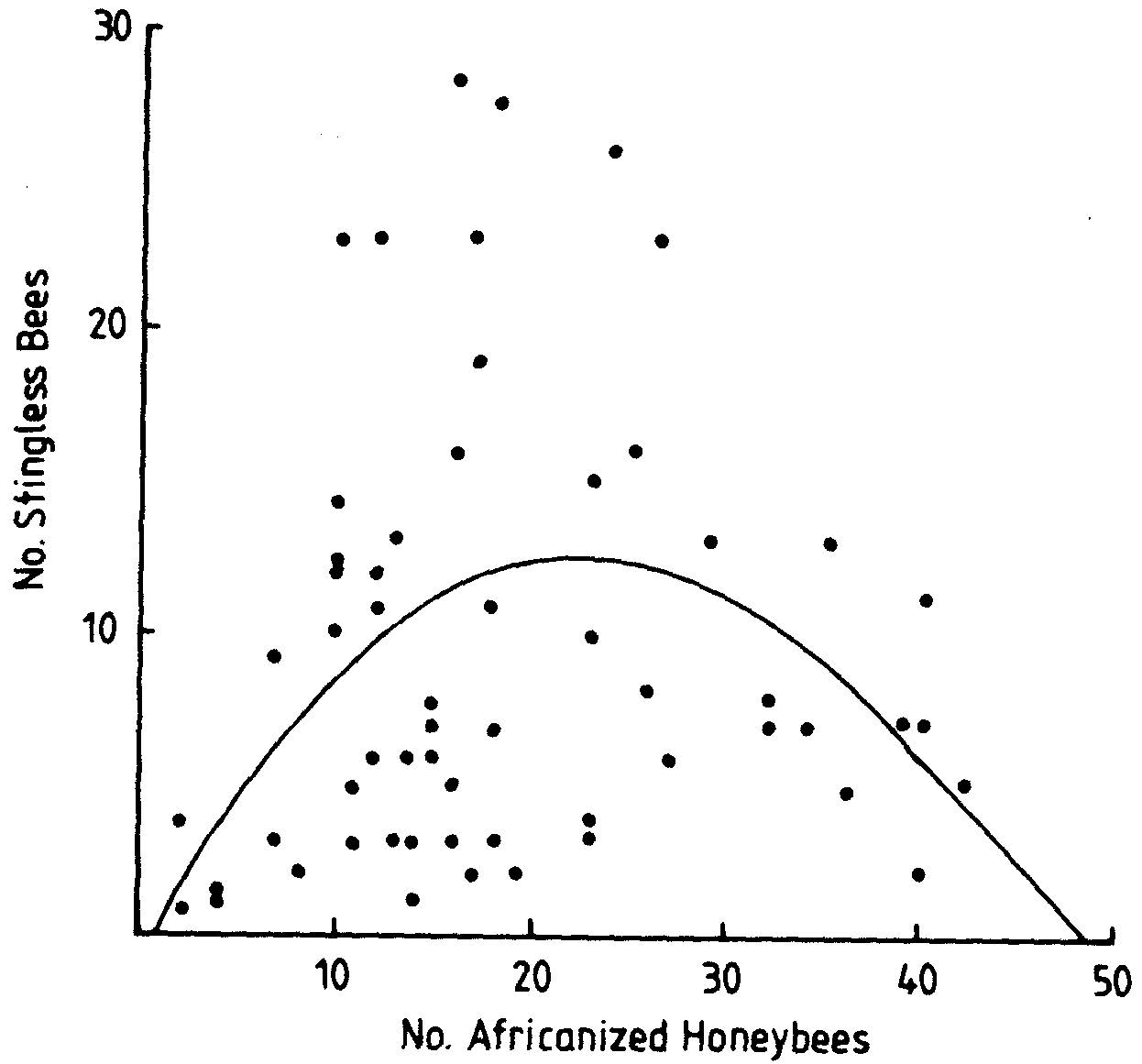
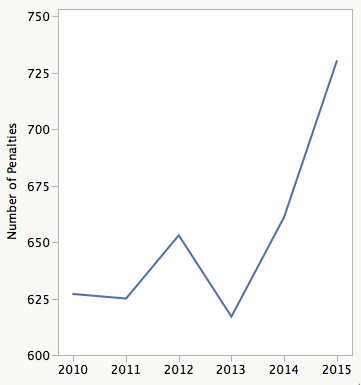
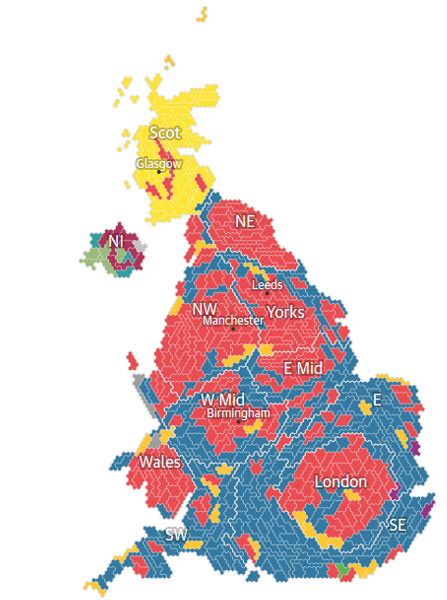
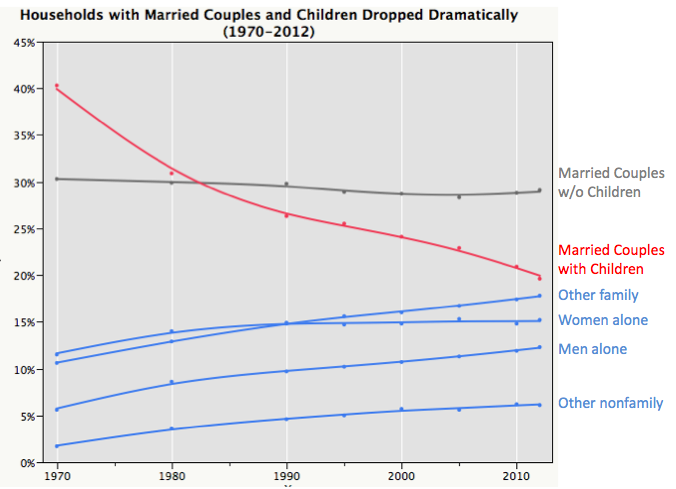
Chart Rethinking: Exercise 1

https://junkcharts.com

17 / 25

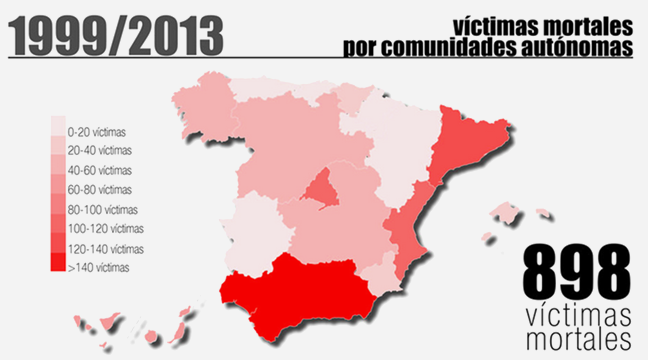
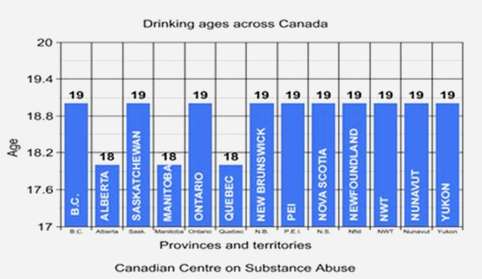
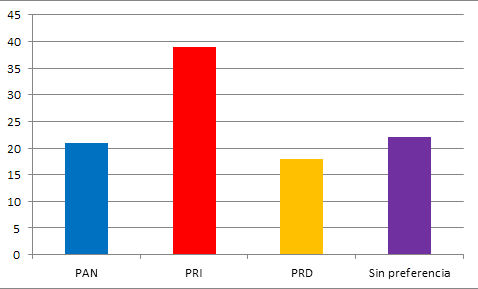
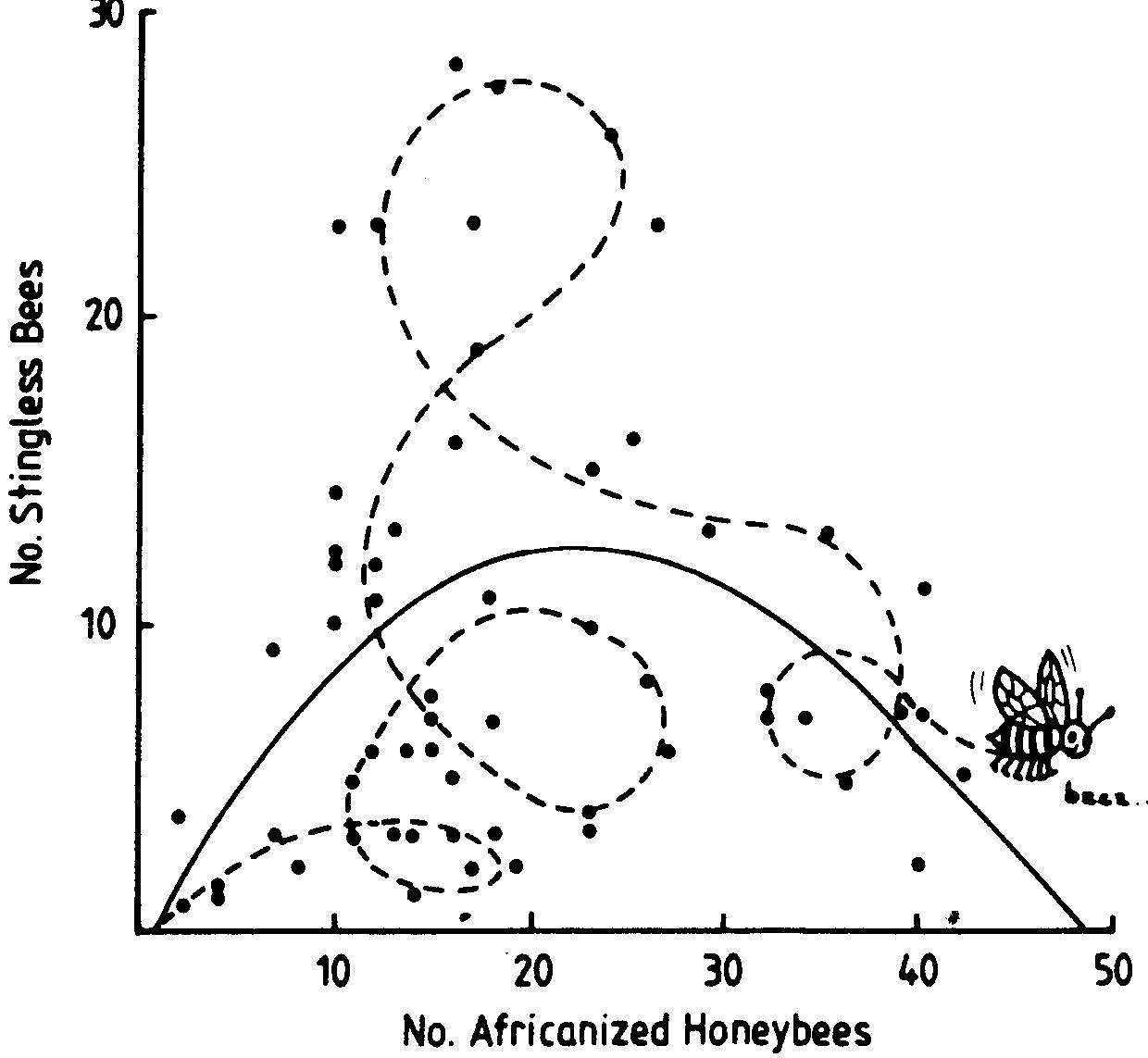
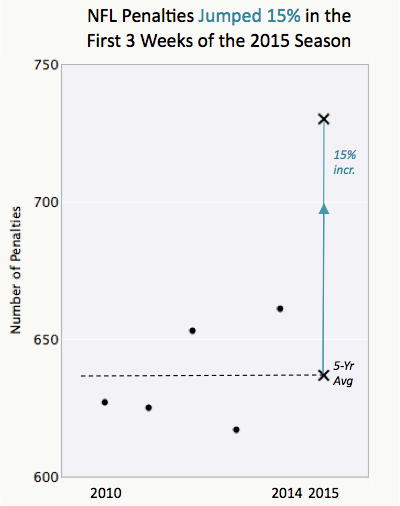
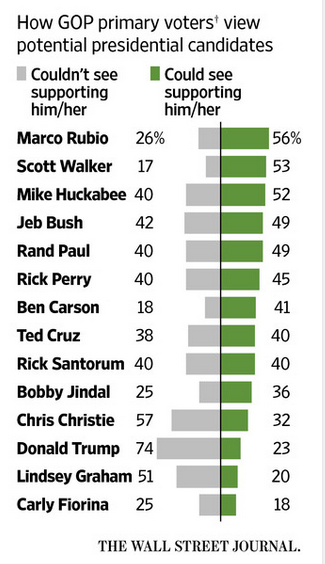
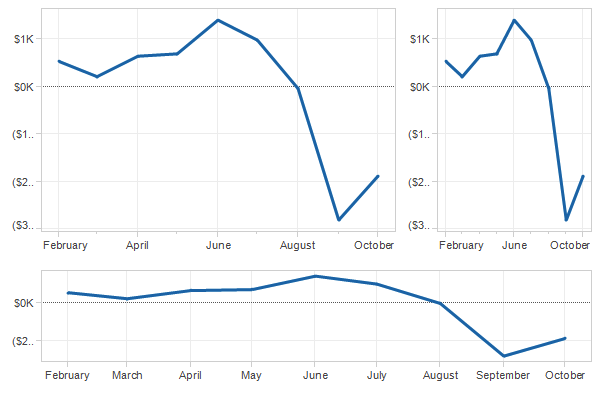
Chart Rethinking: Exercise 2

https://junkcharts.com

18 / 25

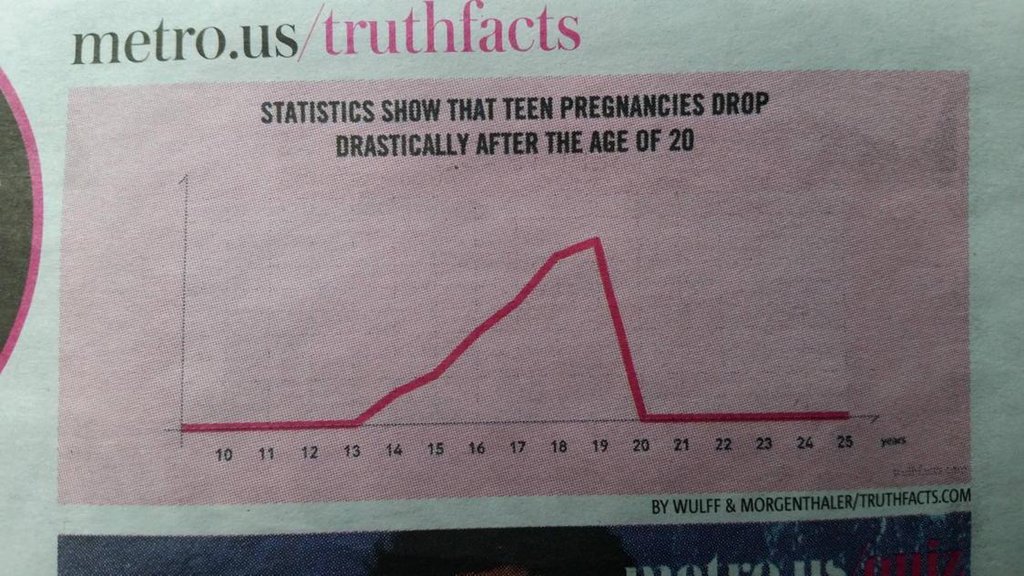
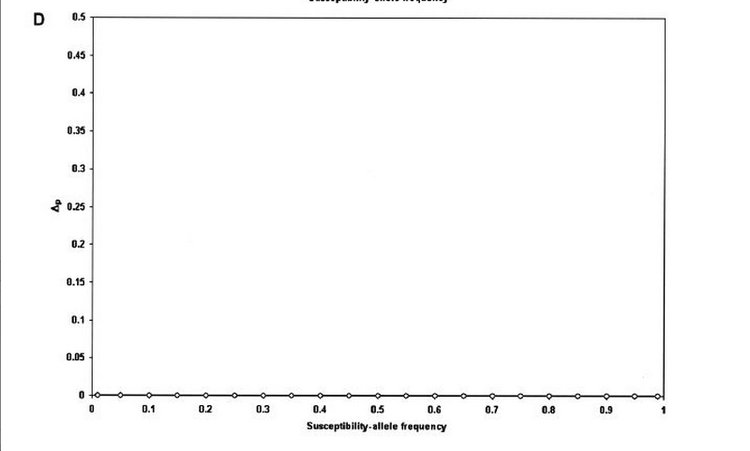
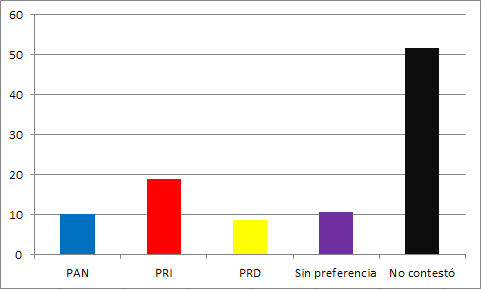
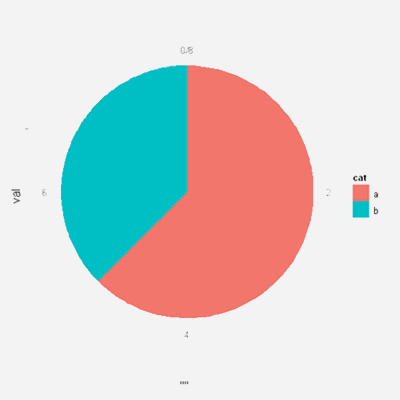
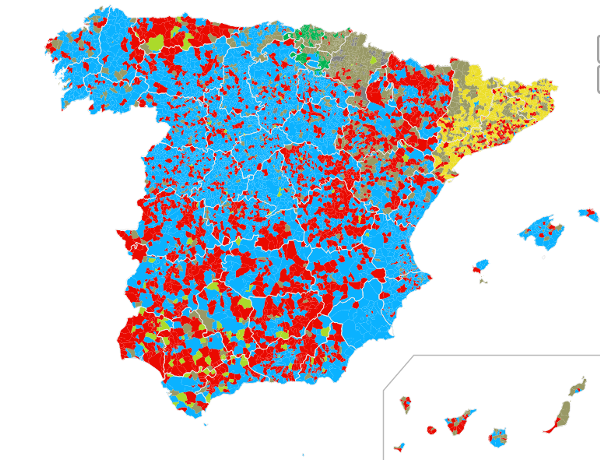
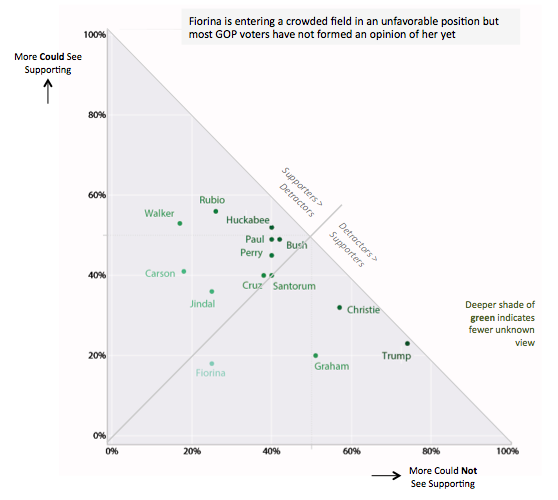
Chart Rethinking: Exercise 3

https://www.datanalytics.com/

19 / 25

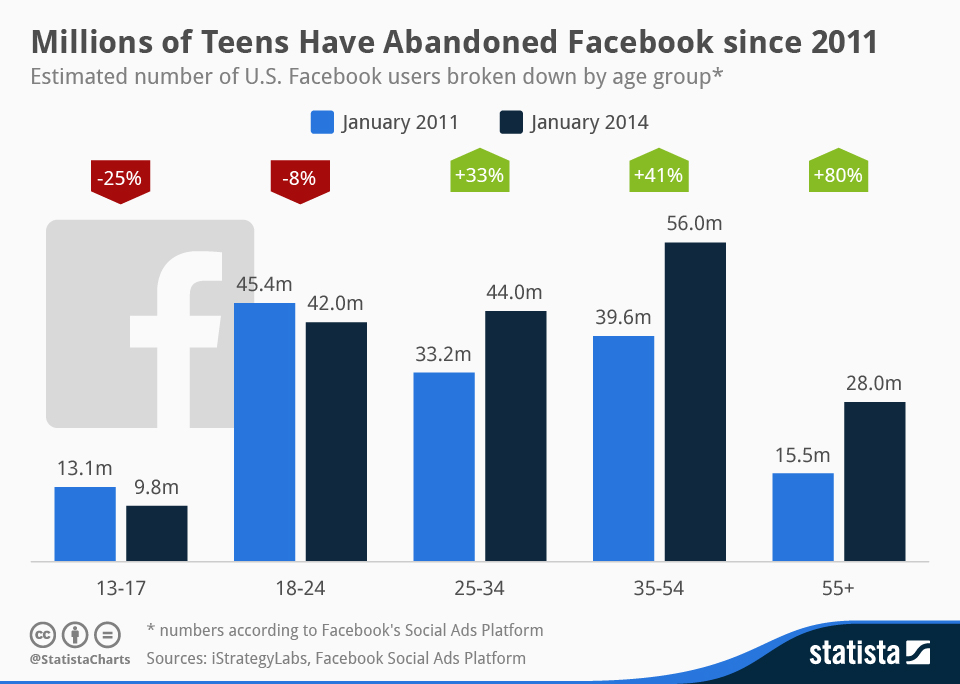
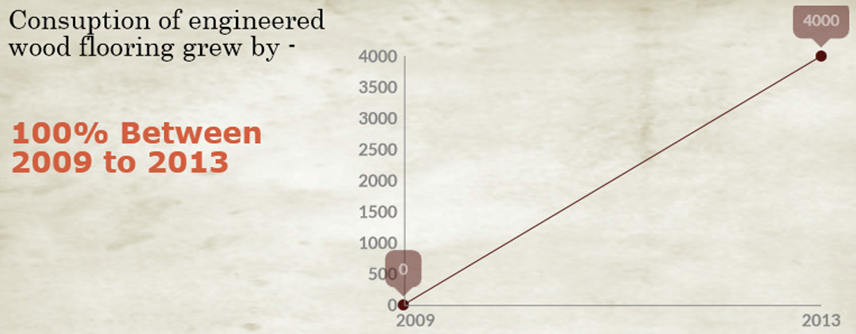
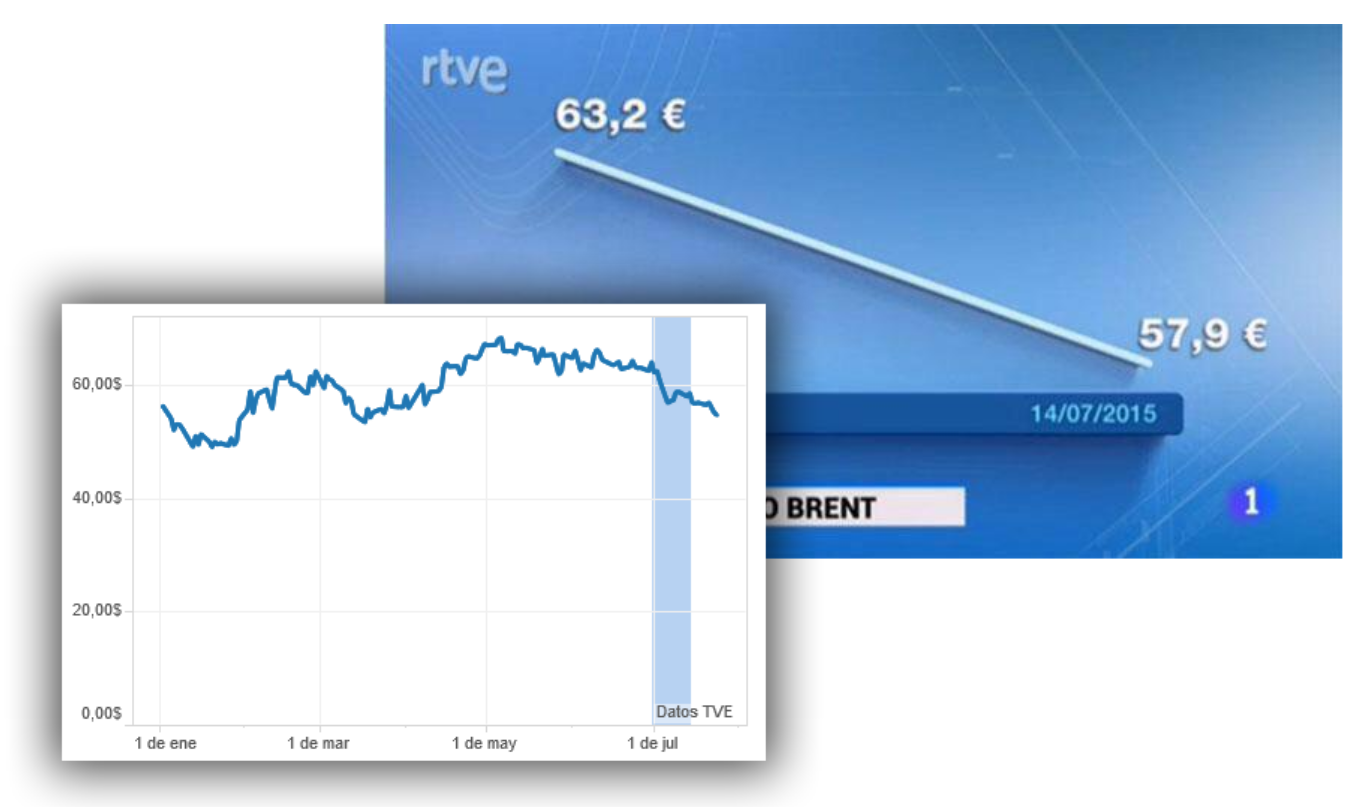
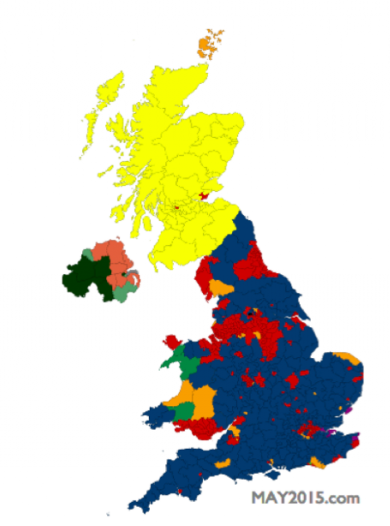
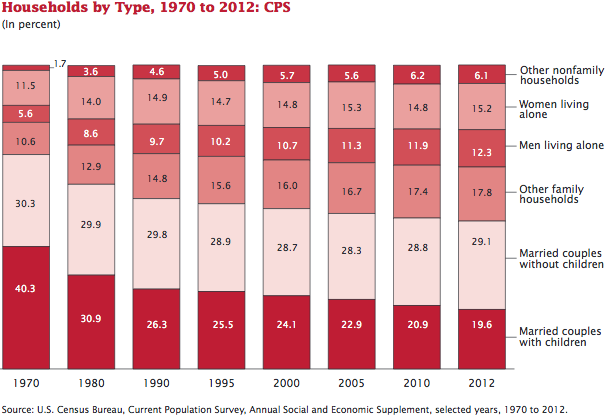
Chart Rethinking: Exercise 4

https://junkcharts.com

20 / 25

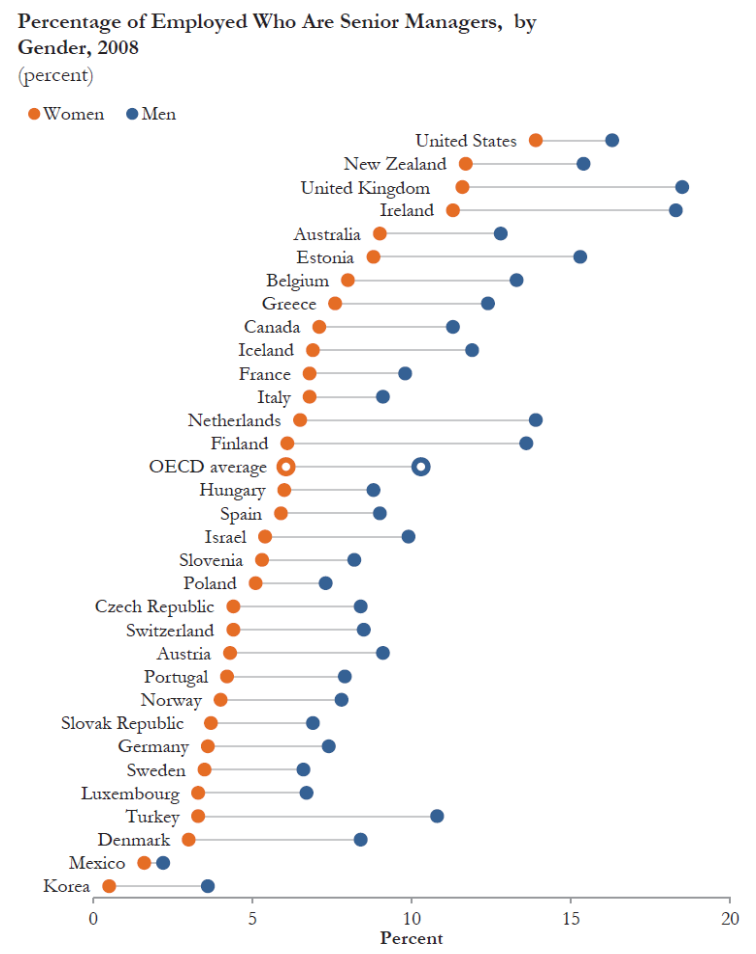
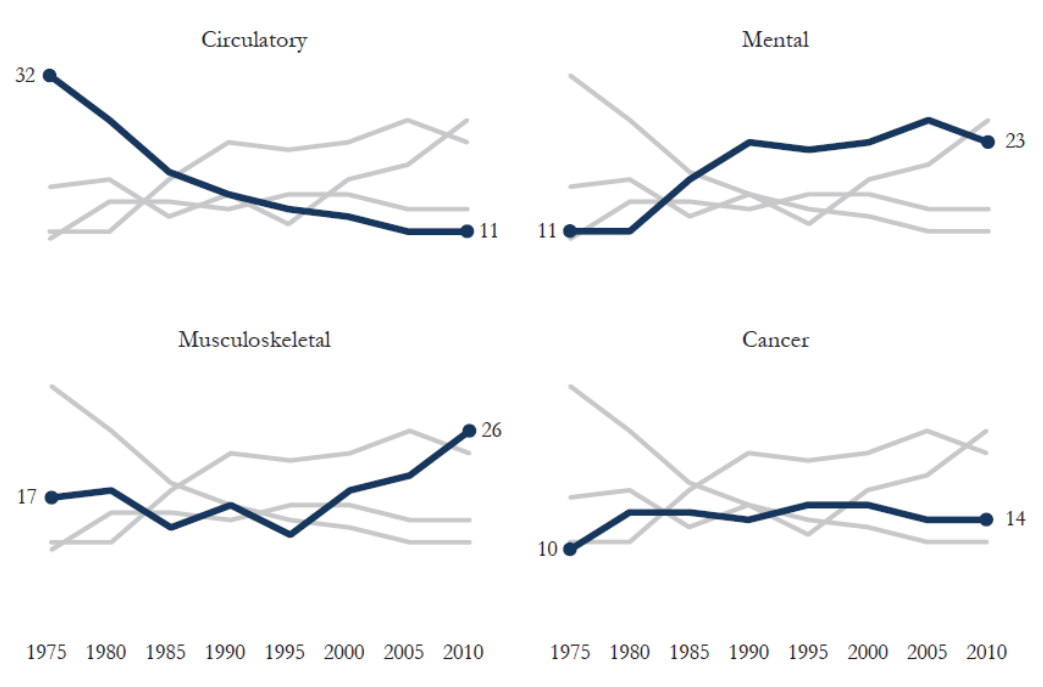
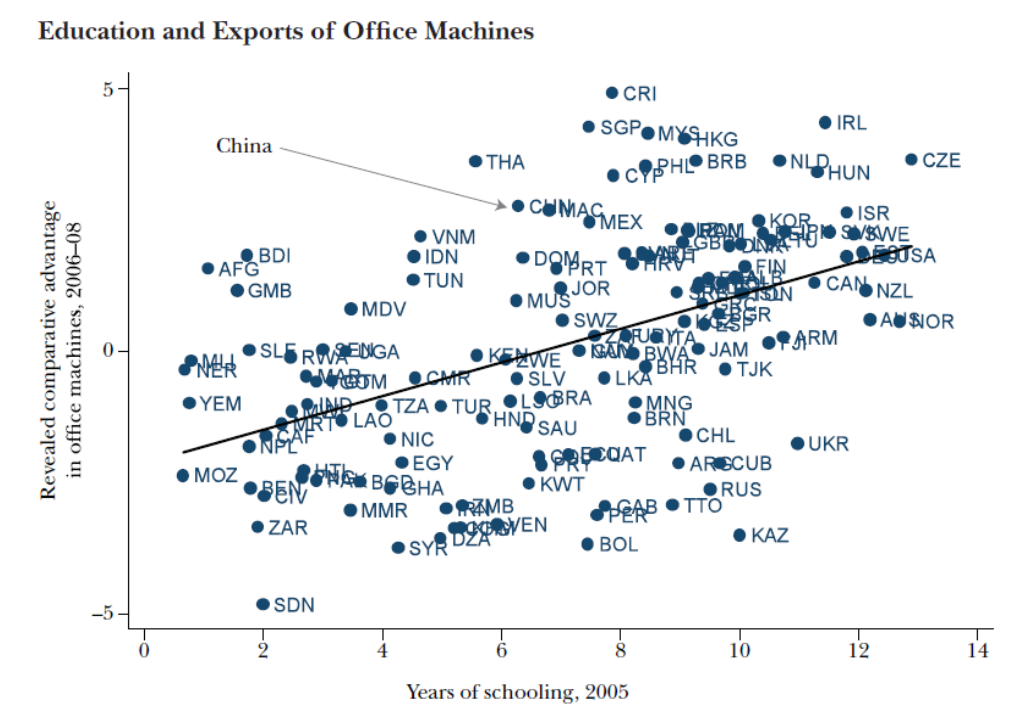
Chart Rethinking: Exercise 6

Schwabish, J. A. (2014). An Economist’s Guide to Visualizing Data
22 / 25

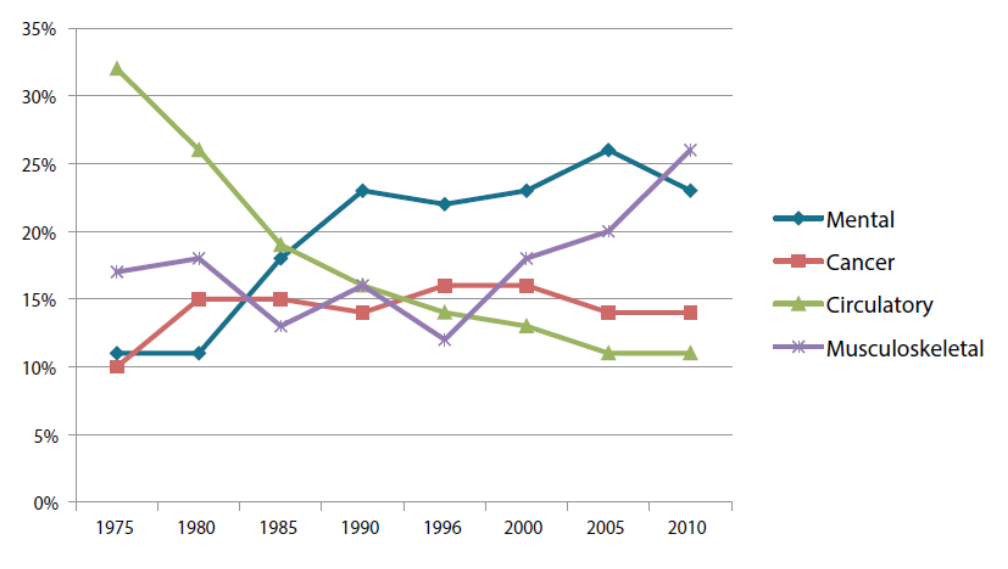
Chart Rethinking: Exercise 7

Schwabish, J. A. (2014). An Economist’s Guide to Visualizing Data
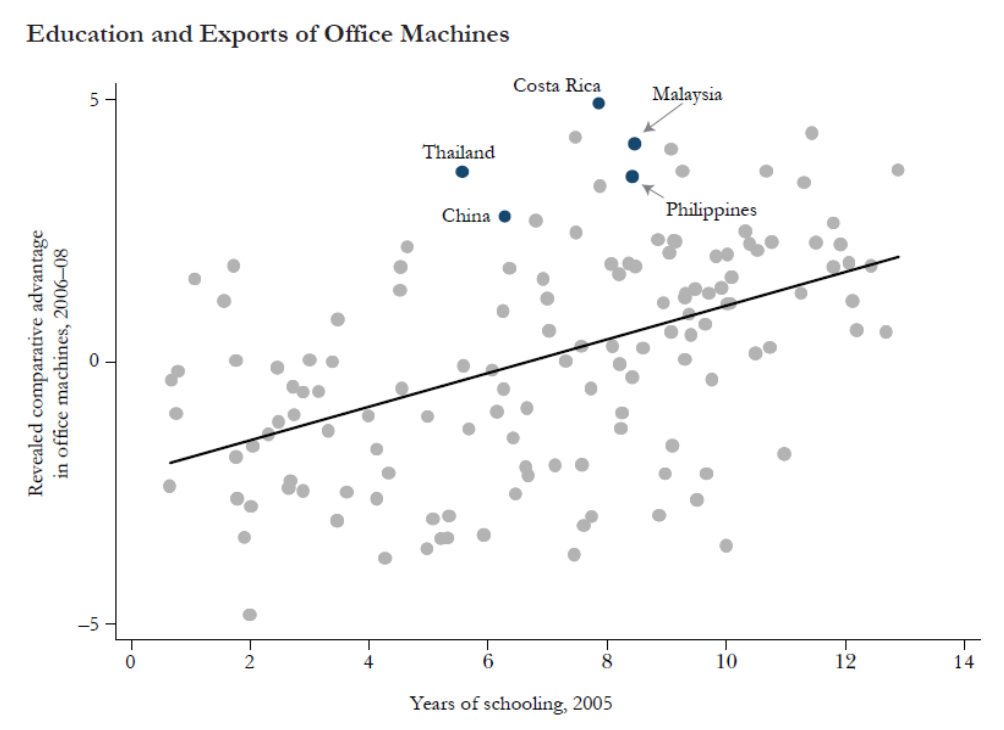
23 / 25

Chart Rethinking: Exercise 8

Schwabish, J. A. (2014). An Economist’s Guide to Visualizing Data
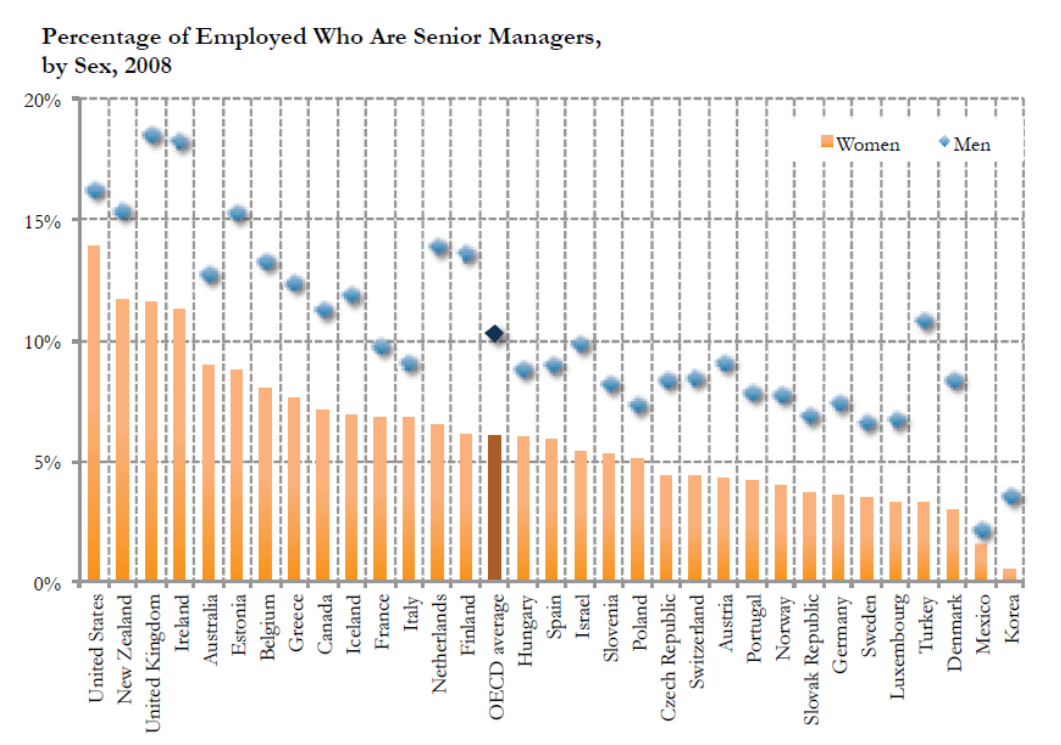
24 / 25

Summary

25 / 25

Summary

  • We live surrounded by bad charts, either by deception or ineptitude.
25 / 25

Summary

  • We live surrounded by bad charts, either by deception or ineptitude.

  • There are some common patterns to be aware of.
    From those, we can distill a series of basic rules:

25 / 25

Summary

  • We live surrounded by bad charts, either by deception or ineptitude.

  • There are some common patterns to be aware of.
    From those, we can distill a series of basic rules:

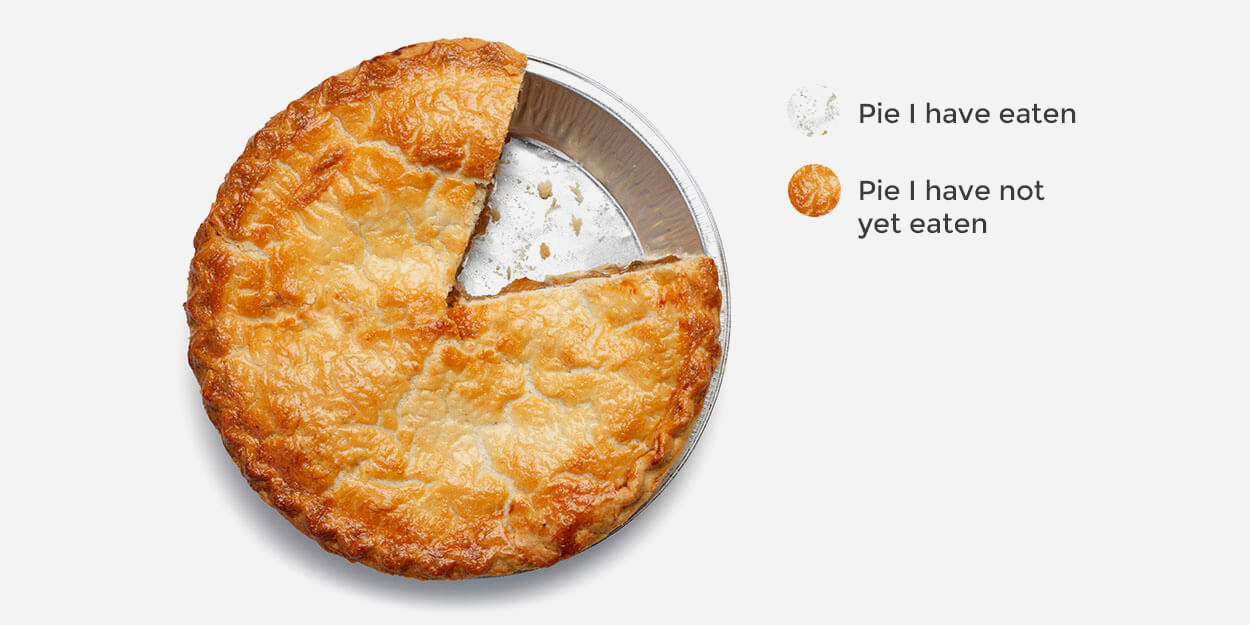
    • Pie charts are very rarely justified.
    • Areas are tricky.
    • 3D is rarely justified in 2D mediums.
    • Axes (cuts, scales...) should be clear.
    • Proper context should be shown when relevant.
    • Do not go beyond what data tells.
    • There are well-established visual metaphors.
      • E.g. up-down for positive-negative.
      • E.g. areas are perceived as whole quantities,
        so cutting the axis is deceiving.
25 / 25
2 / 25
Paused

Help

Keyboard shortcuts

, , Pg Up, k Go to previous slide
, , Pg Dn, Space, j Go to next slide
Home Go to first slide
End Go to last slide
Number + Return Go to specific slide
b / m / f Toggle blackout / mirrored / fullscreen mode
c Clone slideshow
p Toggle presenter mode
t Restart the presentation timer
?, h Toggle this help
sToggle scribble toolbox
Esc Back to slideshow